
Stage 7 · Advanced
AI Security
Stolen tokens, poisoned tools and the other ways an AI system gets turned against its users.
You'll be able to: Spot the attack paths in an agent stack and close them.
0 of 5 done
Marked as done
-
1
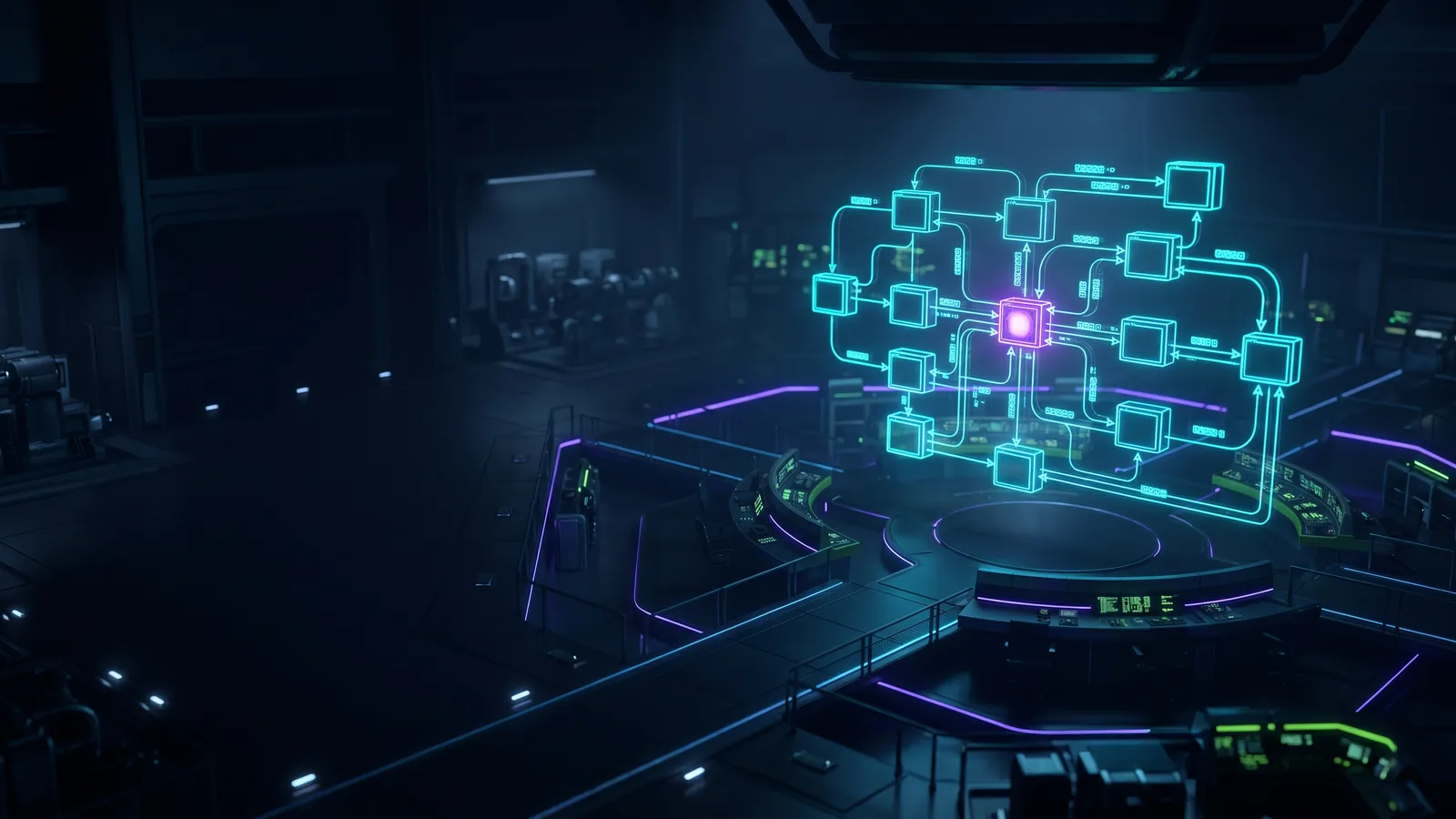 Approval Fatigue
When an AI coding agent asks permission for everything, approving becomes a reflex, and the one dangerous request gets the same tap as the forty safe ones.
-
2
 Grok Bot: Agents on One Computer
Grok Bot gives every account one persistent cloud computer shared by all its bots, so one cloud computer is one trust zone: a bot that reads the open web can borrow any session another bot left behind, and a taught routine does real, irreversible work while nobody watches, unless you design for both.
-
3
Five Bots, One Computer
Grok Bot gives your account one persistent cloud computer, and every bot you create works on it at once, sharing its files, browser sessions and logins: great for teamwork, and the reason a bot that reads a hostile page can act as you.
-
4
The Rule Was Only a Wish
A dot is OpenAI's always-on ChatGPT agent that works on goals, not prompts. What it may do on its own is decided by layers that are either enforced (code, app permissions) or only read (Custom Rules): code and permissions hold, rules are requests.
-
5
Put Your Agent in a Box
Approval prompts make you the security boundary, and people get tired; a sandbox lets the operating system be the boundary, so the agent can work without asking and still can't wipe your home folder or post your keys to a stranger.
- Agent SandboxingAnnounced at the end of an episode in this track. Subscribe to catch it.
- Agent sandboxing: how isolation really worksAnnounced at the end of an episode in this track. Subscribe to catch it.