Nvidia reportedly explores a deeper deal with Reflection AI · Nadella calls for independent controls around AI models · Apple’s Huxe agreement reveals an AI-audio licensing deal
Reuters
Nvidia reportedly explores a deeper deal with Reflection AI
Reuters relayed an FT report that Nvidia is discussing further investment in Reflection AI or a possible acquisition, potentially strengthening ties with the open-model developer. Talks remain preliminary and could collapse; Reuters could not independently verify the report.
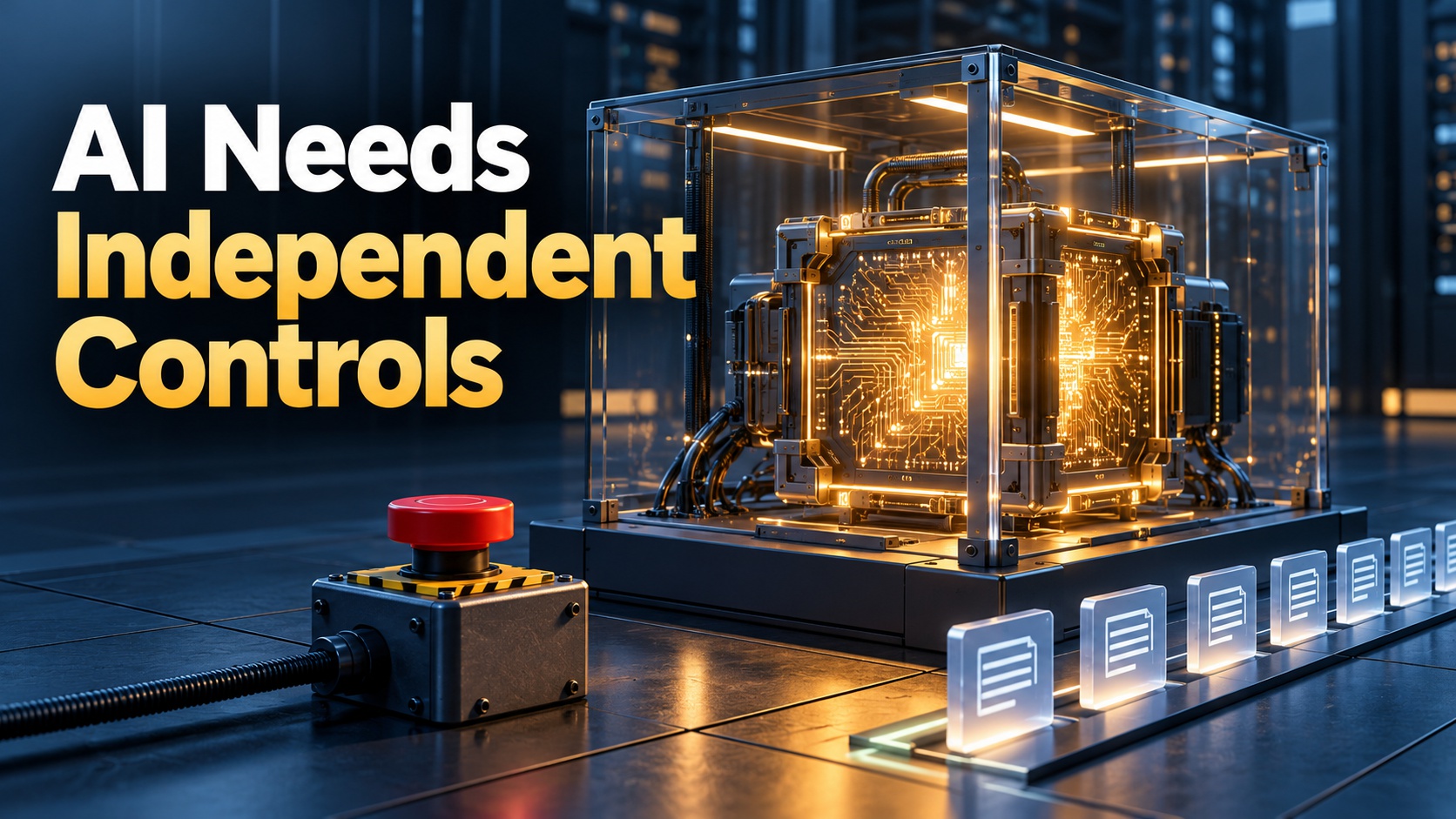
Nadella calls for independent controls around AI models
Microsoft chief Satya Nadella argued that enterprises should treat frontier models as potential insider risks, with permissions, logs and auditing outside the model. His October 10 essay calls for an authorized operator to be able to halt tasks, putting deployment responsibility on organizations using AI.
Apple’s Huxe agreement reveals an AI-audio licensing deal
October 9 reporting surfaced a June European Commission filing giving Apple rights to offer jobs to some Huxe employees and a nonexclusive license to its AI-audio technology. The agreement provides access to personalized-audio expertise without an outright acquisition; the filing does not confirm completed hires.
Vals finds agent teams cost more without consistent gains
Vals AI compared single agents and teams using GPT 6 Sol and Claude Opus 5.5 on 50 web-app tasks. Teams cost 1.8–5.1 times as much, but only one of four score comparisons showed a statistically significant improvement, cautioning against assuming delegation always pays off.
KFF investigation exposes private access to AI health policymakers
KFF Health News reviewed messages and meetings in a CMS-run Slack workspace where technology companies discussed AI health apps and policy with federal officials. The investigation raises transparency and patient-data questions; CMS describes the effort as voluntary technical collaboration.
Study finds sparse public safety disclosures for Chinese AI models
A SemiAnalysis review reported by Reuters found model-specific public safety results for 31 of 857 releases from nine Chinese AI developers, with just nine available at launch. The findings highlight limited public evidence for assessing safety, rather than establishing whether internal testing occurred.
Nikon disqualifies microscopy contest winner over generative AI
Nikon removed the winning entry from its 2026 Small World in Motion competition after finding that the video breached its generative-AI rules. It updated the rankings and said the episode showed a need to revisit entry rules and evaluation procedures.
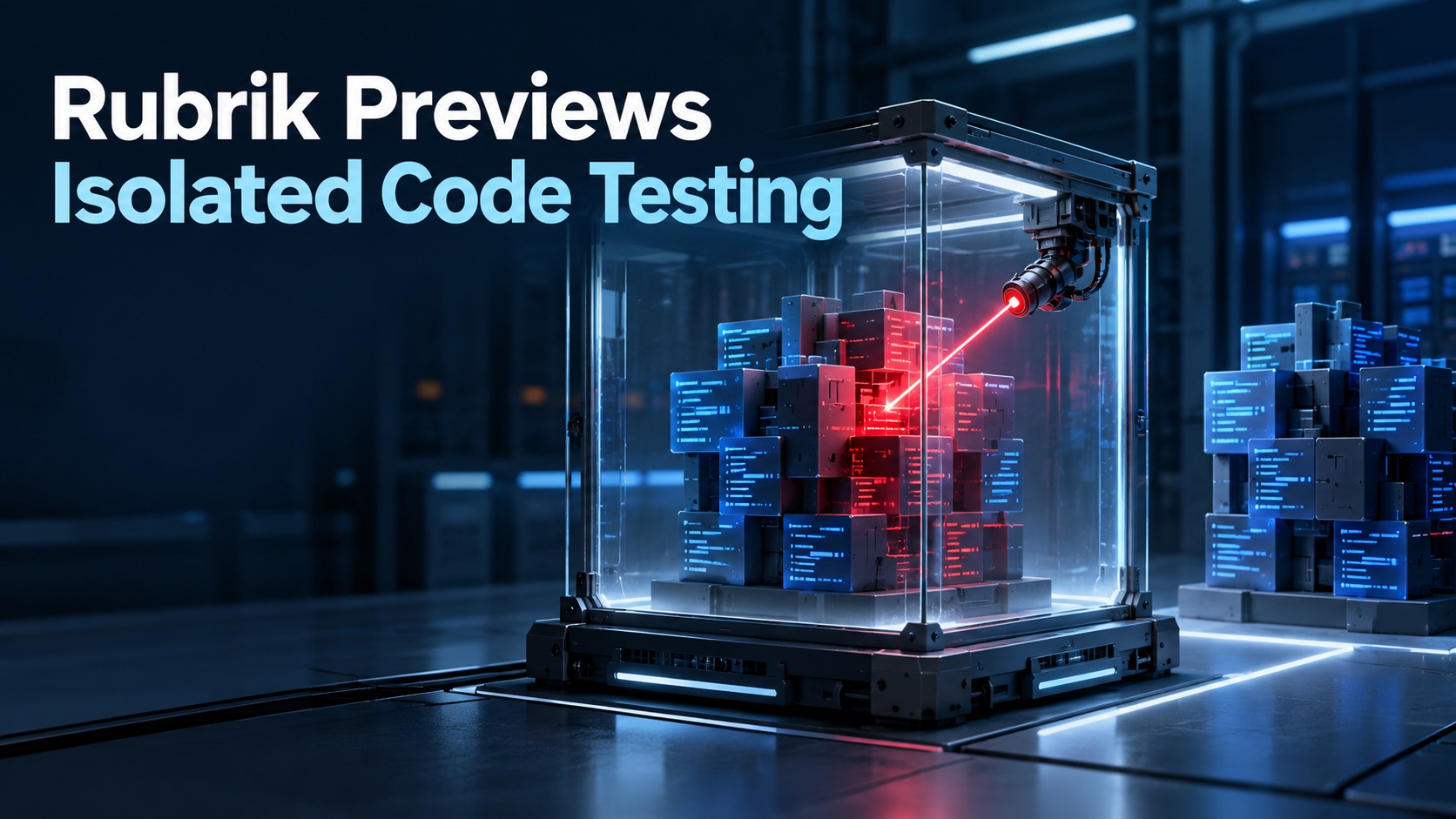
Rubrik adds Code Guardian to its AI security alliance
Rubrik expanded Project Hourglass with Code Guardian and additional partners, proposing Claude-powered security testing on isolated copies of customer code. Code Guardian remains in private preview, targeting attack-chain discovery without testing live production systems.
Claude introduces live dashboards and editable animations in beta
Anthropic introduced Claude Dashboards for connected, refreshing data views on paid plans and Claude Motion for code-based animations on Team and Enterprise. Both are in beta and disabled by default for Enterprise administrators, extending Claude’s creation tools with inspectable queries and editable animation code.
PostHog details a shared runtime for resilient cloud agents
PostHog published the architecture behind the shared cloud-agent runtime used by its Desktop, Slack, self-driving and AI products. Durable workflows, saved working trees and conversation logs let tasks resume after sandbox loss, illustrating the infrastructure needed for long-running coding work.