
AI news · 10 stories

AI news for Oct 28, 2026

Google DeepMind previews Genie 4 for interactive world simulation · Liquid AI releases LFM3 for specialized multimodal models · NVIDIA expands its Meta partnership and plans $3 billion investment

News card: Google DeepMind previews Genie 4 for interactive world simulation
Google DeepMind

Google DeepMind previews Genie 4 for interactive world simulation

Google DeepMind announced Genie 4, adding native audio and real-time language control to interactive world simulation. Access starts with trusted testers, with potential uses in robot training and interactive prototyping.

Read at Google DeepMind

News card: Liquid AI releases LFM3 for specialized multimodal models
Hugging Face

Liquid AI releases LFM3 for specialized multimodal models

Liquid AI introduced LFM3, a family of compact text, vision, audio, omni and decision models sharing a common backbone. The models support single-GPU customization and deployment on local hardware, giving developers more options for specialized applications.

Read at Hugging Face
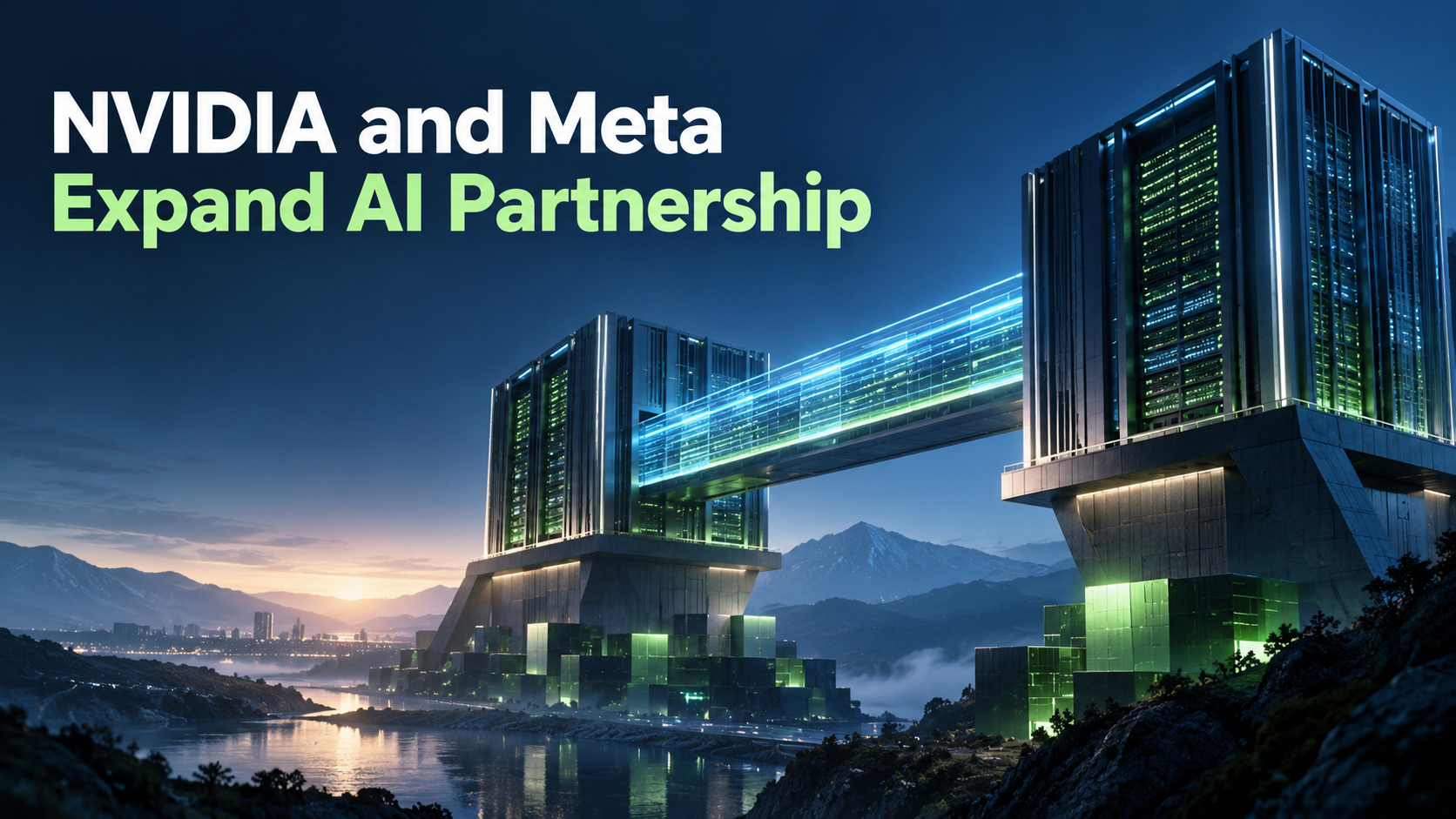
News card: NVIDIA expands its Meta partnership and plans $3 billion investment
NVIDIA

NVIDIA expands its Meta partnership and plans $3 billion investment

NVIDIA and Meta announced expanded work on Muse training and inference, alongside plans for broader NVIDIA infrastructure deployment. NVIDIA will invest $3 billion in Meta’s equity offering, linking the technical partnership with additional capital.

Read at NVIDIA
News card: Microsoft previews MAI Image 2.7 for controlled image editing
Microsoft AI

Microsoft previews MAI Image 2.7 for controlled image editing

Microsoft launched MAI Image 2.7 in preview for image editing through Arena, Artificial Analysis and MAI Playground. The release targets scene restyling, relighting and detailed asset edits, with text-to-image generation planned later.

Read at Microsoft AI
News card: Oracle expands enterprise AI collaboration with OpenAI
Oracle

Oracle expands enterprise AI collaboration with OpenAI

Oracle announced an expanded collaboration combining OpenAI models, ChatGPT and Codex with its applications, data and cloud infrastructure. The companies aim to bring AI into enterprise workflows, application development and security work.

Read at Oracle
News card: General Compute raises $100 million for inference infrastructure
General Compute

General Compute raises $100 million for inference infrastructure

General Compute announced a $100 million Series A co-led by Blackbird and Abstract to expand its inference cloud across GPUs and specialized chips. It plans its first major deployments for Q1 2027, offering capacity without customers having to procure and operate the hardware.

Read at General Compute
News card: Luxor raises $16 million as it expands into AI infrastructure
The Block

Luxor raises $16 million as it expands into AI infrastructure

Luxor announced a $16 million round led by CMT Digital, including both new investment and sales of existing shares. The mining-infrastructure company plans to expand AI hardware, cloud services and compute trading, extending its business into AI capacity.

Read at The Block
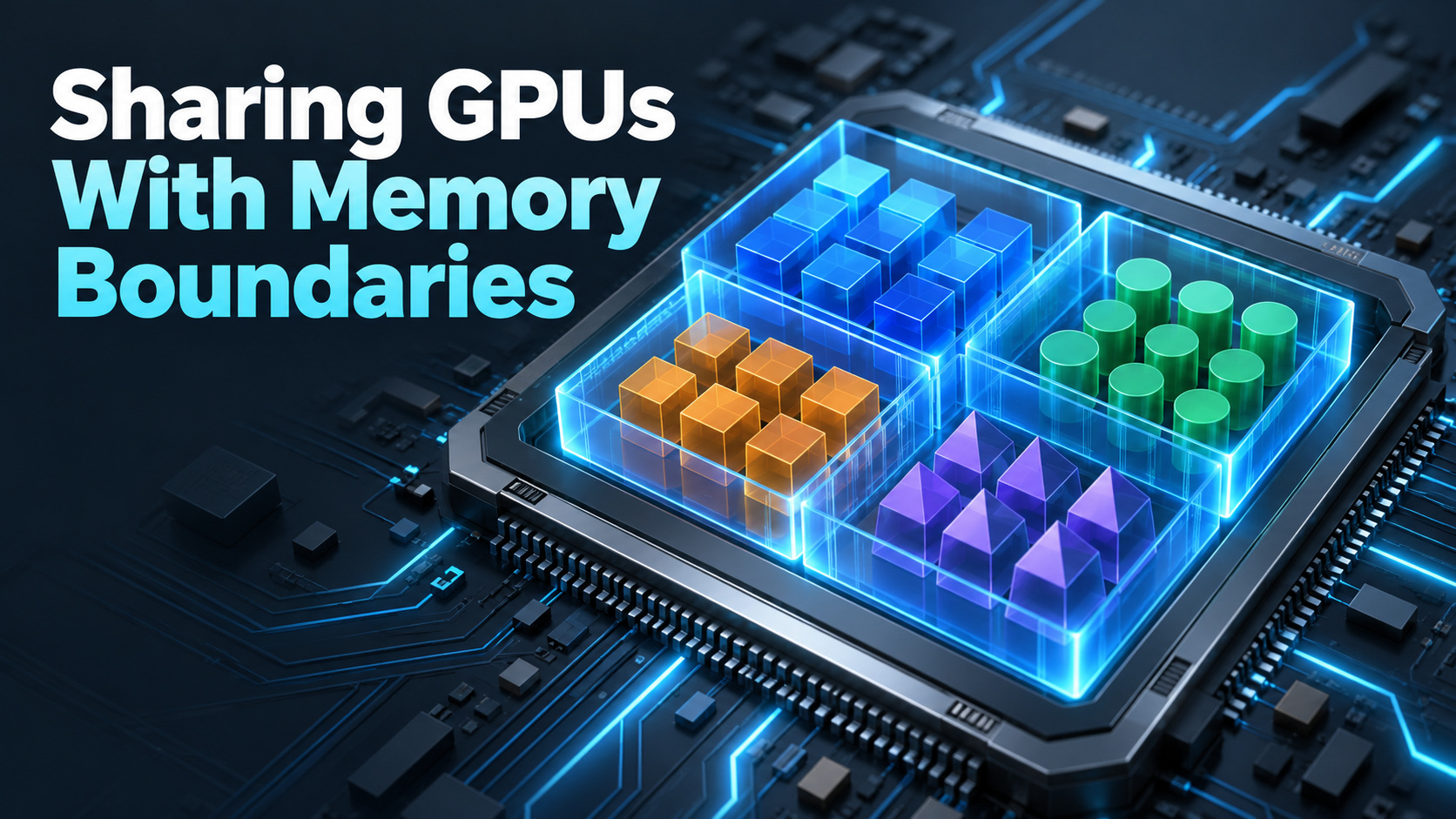
News card: NVIDIA details memory-enforced GPU sharing in Kubernetes
NVIDIA

NVIDIA details memory-enforced GPU sharing in Kubernetes

NVIDIA published a guide to CUDA 13.4 GPU fractioning with KAI Scheduler and the GPU Fractioning Operator. It shows how workloads can share GPU capacity with memory allocations and limits, helping teams use available hardware more efficiently.

Read at NVIDIA
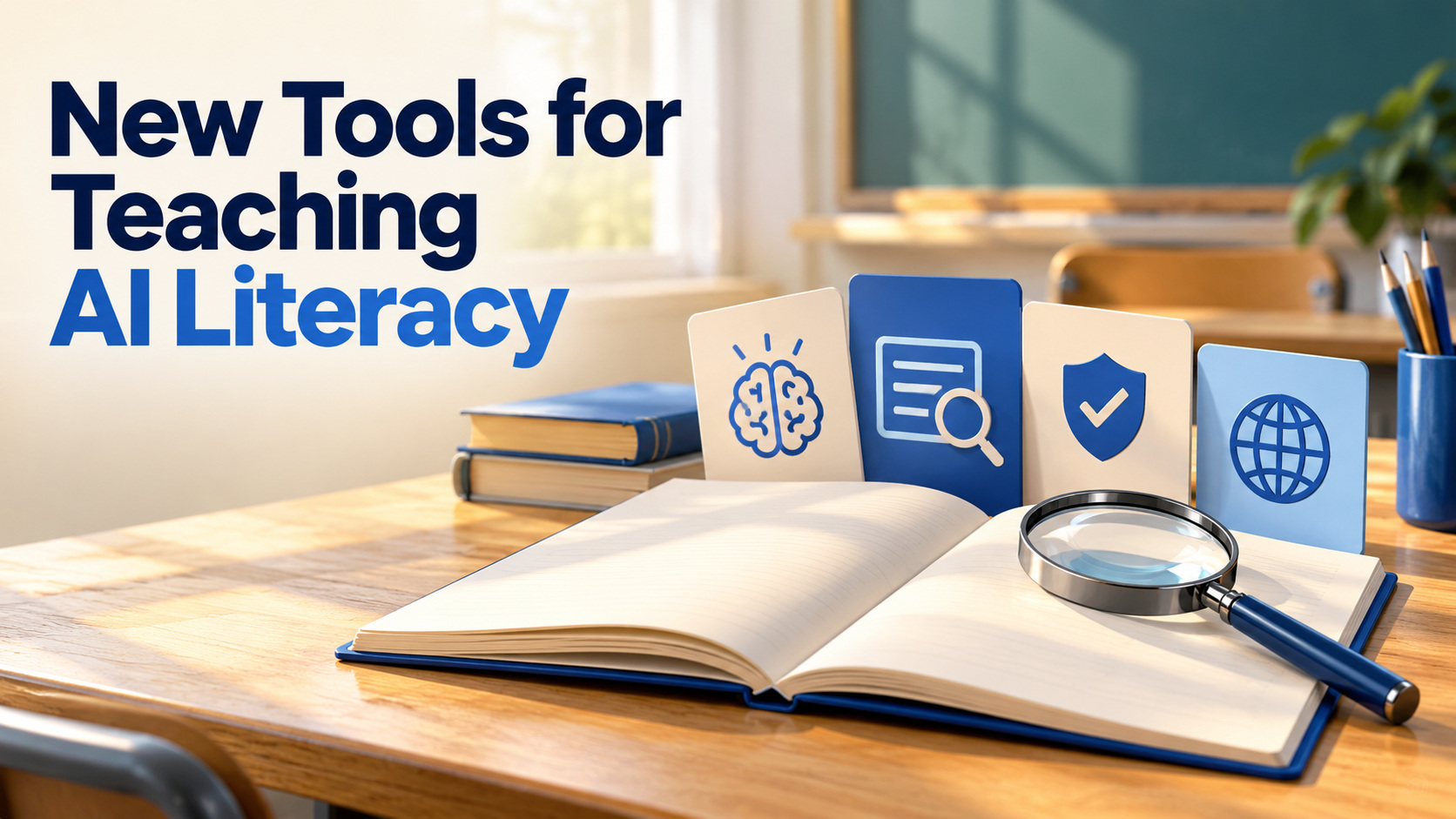
News card: Microsoft and Cyberlite expand the AI Classroom Toolkit
Microsoft

Microsoft and Cyberlite expand the AI Classroom Toolkit

Microsoft and Cyberlite launched an expanded AI Classroom Toolkit during Global Media and Information Literacy Week. The teaching resource focuses on responsible generative AI use and judging information, supporting educators as AI changes how students learn.

Read at Microsoft
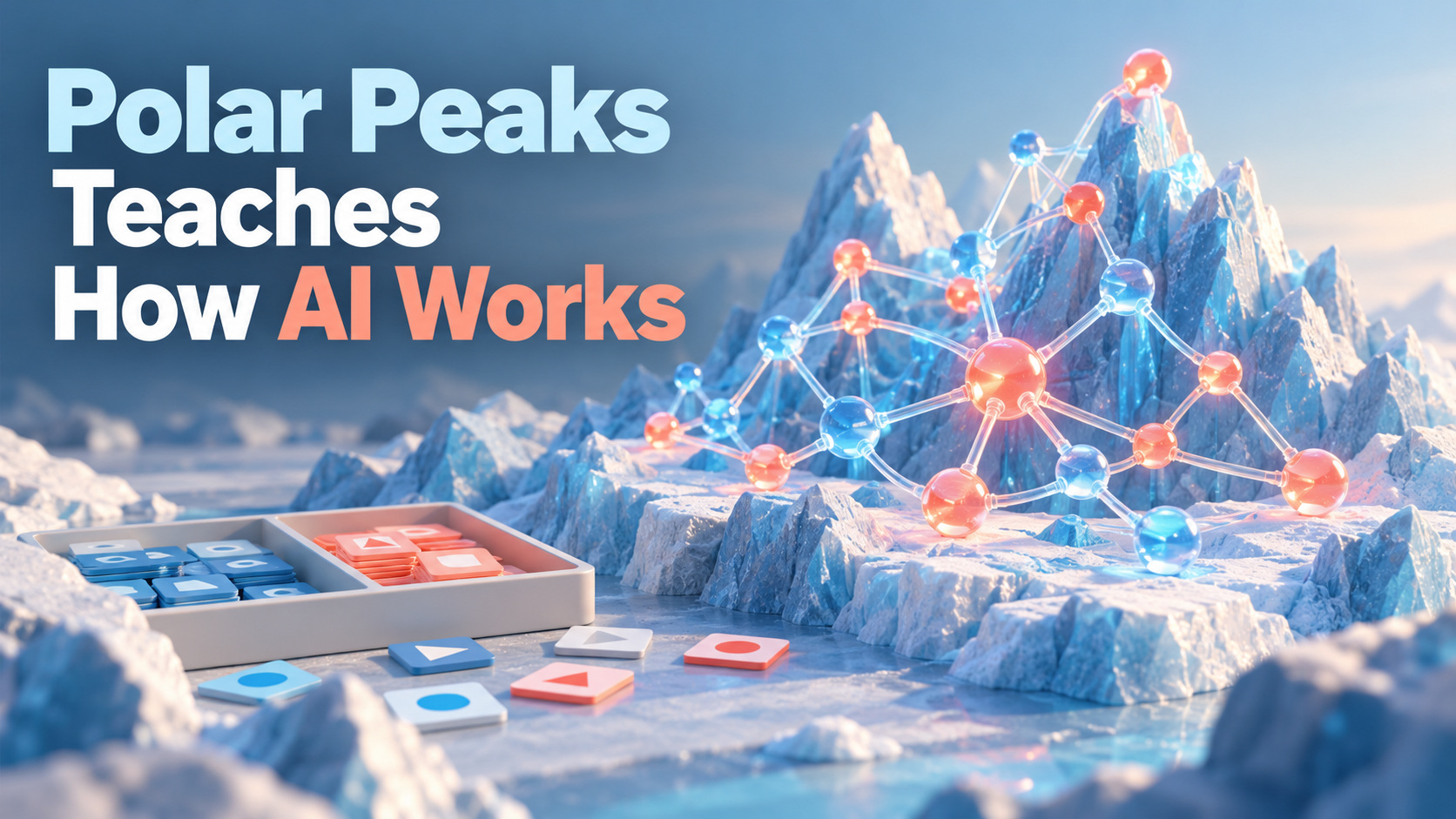
News card: Google launches Polar Peaks to teach AI through brain mapping
Google

Google launches Polar Peaks to teach AI through brain mapping

Google and the Stanford Accelerator for Learning introduced Polar Peaks, an AI Quests lesson for students aged 11–14 inspired by brain-mapping research. Data-cleaning and model-testing activities, alongside new teacher modules, emphasize oversight and critical thinking.

Read at Google

Get the next episode first

Shorts and deep dives on AI system design land on @AI.JoinDev first. Subscribe, or follow the RSS feed.